

FAQ
Royal Coachman Lodge offers a remote Alaska fly-fishing experience built around small-group hospitality, fly-out access, and some of the most remarkable fishing water in southwest Alaska. This FAQ page answers common questions about the lodge, the fishing program, target species, accommodations, travel details, and what guests can expect during their stay.Browse the sections below for quick answers about why anglers choose Royal Coachman Lodge, when to visit, how to get there, and how to plan your trip.
Why This Lodge
What makes Royal Coachman Lodge one of the best fly-fishing lodges in Alaska?
Royal Coachman Lodge stands out as one of the best fly-fishing lodges in Alaska because it combines a remote wilderness setting, a small guest count, flexible daily planning, and access to fisheries that many lodges cannot reach. The lodge operates with fly-in, fly-out fishing and holds permits for exceptional waters in places such as Katmai National Park, Togiak National Wildlife Refuge, and Wood-Tikchik State Park, giving guests access to a wide range of pristine fisheries across southwest Alaska.
What kind of remote Alaska fishing experience can I expect at Royal Coachman Lodge?
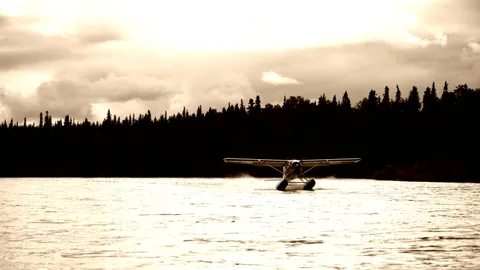
Royal Coachman Lodge offers a truly remote Alaska fishing experience centered on floatplane access and flexible daily adventure. The lodge is the only fishing lodge on the Nuyakuk River in Wood-Tikchik State Park, and from there guests are flown each day into a vast network of rivers and lakes across a roughly 250-square-mile area using cached boats and long-range fly-out access. This allows anglers to fish in places that feel genuinely wild, not just mildly inconvenient to get to.
Why is it so hard to get a booking at Royal Coachman Lodge?
It can be hard to get a booking at Royal Coachman Lodge because the lodge has a very high repeat guest rate and operates at a deliberately small scale. According to the source material, 2026 was fully booked and about 98% of guests were repeat visitors or referrals. The lodge also relies more on word of mouth than broad marketing, which usually means openings disappear fast and planning well ahead is the sane move.
How many guests does Royal Coachman Lodge host each week?
Royal Coachman Lodge typically hosts just 10 guests per week, with 11 only on rare occasions when bookings fall that way. This small group size allows for a more personal experience, more flexibility in where guests fish each day, and more one-on-one attention from guides. With three airplanes serving a limited number of anglers, the lodge can adjust plans around weather, fishing conditions, and guest preferences in ways larger operations usually cannot.
What is the guide-to-angler ratio at Royal Coachman Lodge?
Royal Coachman Lodge operates with a guide-to-angler ratio of one guide for every two guests, supported by an overall staff of roughly 15 for 10 guests. That setup helps create a highly personalized week on the water, while also ensuring the lodge team, guides, pilots, kitchen staff, and support crew can keep the entire experience running smoothly in a remote fly-in setting.
Fishing Program & Species
What fish species can I target at Royal Coachman Lodge?
Royal Coachman Lodge offers one of the most diverse fishing programs in Alaska, with opportunities to target all five Pacific salmon species including King, Sockeye, Silver, Chum, and Pink salmon. Guests can also fish for Rainbow Trout, Dolly Varden, Arctic Char, Arctic Grayling, Northern Pike, Lake Trout, and Sheefish. The best timing depends on the species you want to focus on, so trip dates are worth planning strategically rather than by horoscope or blind optimism.
What does a typical day look like at Royal Coachman Lodge?
A typical day at Royal Coachman Lodge starts with breakfast around 7:00 a.m., followed by floatplane departures at about 8:00 a.m. for a full day of fishing. Guests usually return around 6:00 p.m. for appetizers and then dinner at 7:30 p.m. Each evening, guides sit down with guests to talk through goals and conditions for the next day, which helps keep the fishing program flexible and tailored to the group.
Does Royal Coachman Lodge provide fly-fishing gear, rods, waders, and flies?
Royal Coachman Lodge does provide key fly-fishing gear, including rods and waders for rent, and it also supplies most of the essential tackle used during the week such as flies, tippet, split shot, and indicators. Guests are encouraged to review the lodge packing list in advance, and many anglers choose to bring their own waders while renting boots and rods to keep travel simpler.
Is the fishing at Royal Coachman Lodge catch-and-release?
Fishing at Royal Coachman Lodge is primarily catch-and-release, especially for species such as Rainbow Trout, Grayling, Char, and Pike. The lodge follows single barbless hook regulations and emphasizes careful fish handling to support healthy fisheries. Guests may keep a limited number of salmon during the week, and the lodge can fillet, vacuum pack, and box harvested fish for the trip home.
When is the best time to visit Royal Coachman Lodge for rainbow trout or salmon?
The best time to visit Royal Coachman Lodge depends on what you want to target. September is often an excellent time for trophy rainbow trout, while June can be especially strong for dry-fly trout fishing. Salmon timing varies by species, with runs building from mid-June through September, so the smartest approach is to match your week to your fishing priorities rather than assuming Alaska is one giant fish buffet all summer.
Is Royal Coachman Lodge a good choice for beginners or mixed-skill groups?
Royal Coachman Lodge is a strong choice for beginners, experienced anglers, and mixed-skill groups because its small size and flexible program allow guides to tailor the fishing day to the guests. Family trips, multi-generational groups, and groups with different mobility or fishing goals are common. Whether someone wants to hike small creeks all week or fish more comfortably from a boat, the lodge can adapt the program accordingly.
Cabins & Lodge Life
What are the cabins and accommodations like at Royal Coachman Lodge?
The accommodations at Royal Coachman Lodge are comfortable, private, and well suited to a remote fly-in Alaska fishing trip. The lodge has four cabins and one private bedroom attached to the main lodge, with each cabin offering a private bathroom, independent heat, comfortable beds, and views of the river and rapids. The emphasis is on comfort and function, not unnecessary flashiness that would just have to be flown in anyway.
What is the food like at Royal Coachman Lodge?
The food at Royal Coachman Lodge is homemade, fresh, and substantial, with baked breads and pastries, packed streamside lunches, and varied dinners that may include pasta, steak, or Alaskan seafood. Guides can also prepare freshly caught fish on the riverbank when appropriate. In a remote lodge setting, that kind of food matters more than people admit, right up until they are hungry and suddenly very philosophical about lunch.
Travel & Logistics
How do I get to Royal Coachman Lodge?
To get to Royal Coachman Lodge, guests should plan to be in Anchorage by the Sunday of their trip week, ideally arriving the night before. From Anchorage, the lodge coordinates charter seats to Dillingham, where guests are met and transferred to Aleknagik for the final floatplane flight into the lodge. It is a remote destination, but the travel sequence is well established and part of what keeps the experience so exclusive.
How far in advance should I book Royal Coachman Lodge?
Guests should generally plan to book Royal Coachman Lodge at least 11 months in advance, and larger groups should look more in the 12 to 18 month range. Because repeat business is strong and availability is limited, prime weeks do not tend to sit around waiting for people to finally organize themselves.
What other expenses should I budget for besides the lodge rate?
In addition to the trip cost itself, guests at Royal Coachman Lodge should budget for travel to Dillingham, Alaska fishing licenses, optional gear rental, gratuities, and any extra travel costs caused by delayed flights. Alcohol is also not included, though it can be arranged separately. In remote Alaska, the details matter, because nature does not care about your spreadsheet.